
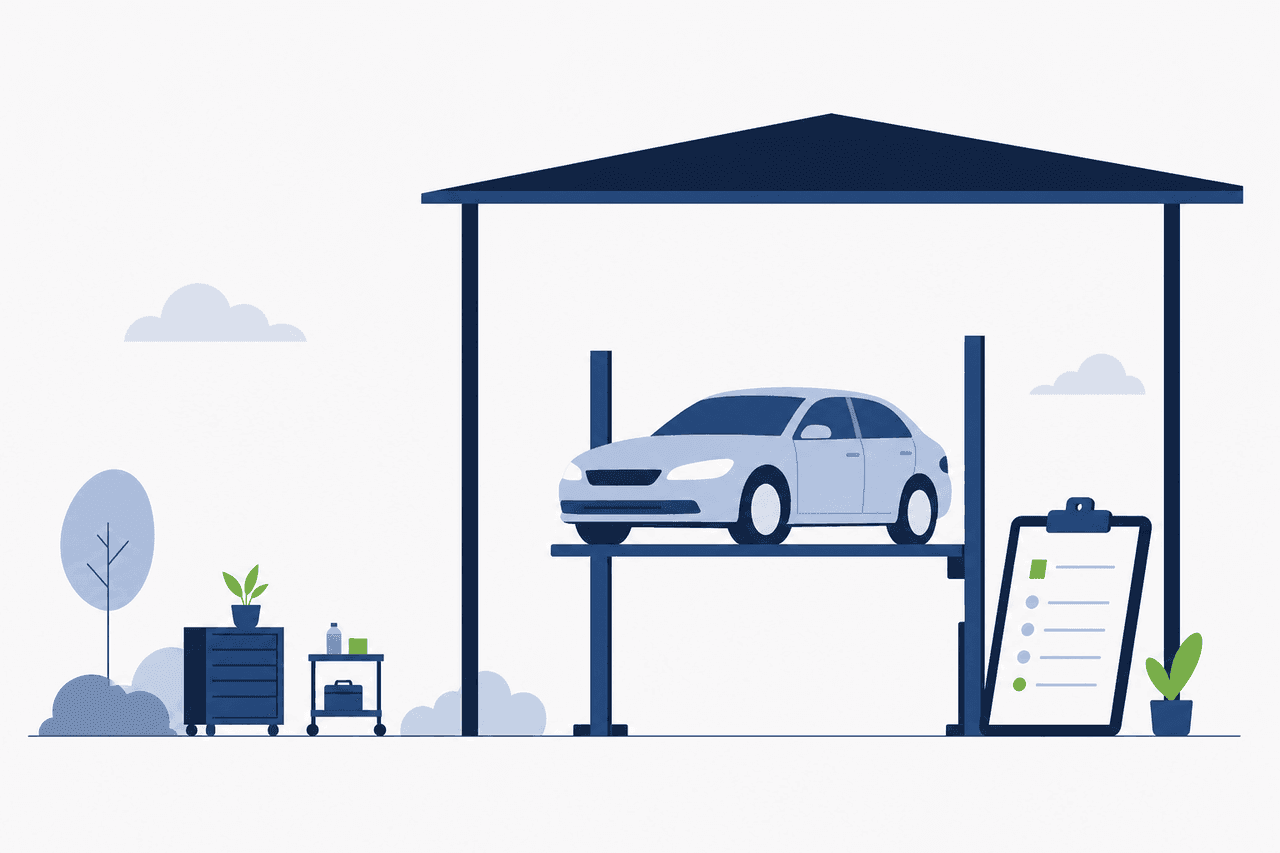
A pre-purchase inspection is the best way to avoid buying someone else's expensive problem.
Short answer: A pre-purchase inspection (PPI) is a check of the exact car by an independent mechanic before you buy. You usually pay for it. It catches problems a history report can miss. The written findings help you cut the price, ask for a repair, or walk away.
Ask the seller for permission in writing.
Trust note: this guide is general buyer education, not mechanical or legal advice. Inspection scope, seller access, and state rules vary.
Why a PPI is different from a quick look
A test drive tells you how the car feels today. A PPI tells you what the car may cost you next.
The inspector can put the car on a lift. They can scan for codes, look for leaks, check wear items, and spot old repairs you would miss. That is not a guarantee the car will never break. It does give you real facts before you say yes.
The PPI is leverage only if it is specific
A vague worry is easy for a seller to brush off. A mechanic's report with photos, codes, measurements, and repair estimates is not. Written, itemized findings are what move a price.
| Finding | Better negotiation angle |
|---|---|
| Tires worn | Ask for new tires or a price cut. |
| Brake pads low | Ask for the repair before delivery, or the same amount off. |
| Oil leak | Ask for a diagnosis before you decide. |
| Accident repair clues | Ask for body-shop records. Check the title and history. |
| Diagnostic codes | Ask if the issue will be fixed and put in writing. |
What a PPI checks
A mechanic may inspect:
- Engine.
- Transmission.
- Brakes.
- Suspension.
- Steering.
- Tires.
- Leaks.
- Rust.
- Warning lights.
- Body and paint clues.
- How it drives.
- Diagnostic codes.
Ask for a written report with the VIN and repair estimates.
How much should you spend on inspection?
It depends on the car. A basic inspection is enough for a modest used car. A luxury car, EV, hybrid, diesel, or rebuilt-title car deserves a specialist.
Treat the fee as part of the deal math. Paying $200 to dodge a $3,000 transmission problem is a great trade.
Deal math
The inspection fee is small next to the repair it can catch.
Pre-purchase inspection
$200
You pay once, before you buy
Transmission problem it can catch
$3,000
Yours to fix after an as-is sale
Numbers from this guide's example. Inspection prices vary by shop and by how complex the car is.
What to send the seller
“I am interested in buying the car pending inspection. I would like an independent mechanic to inspect it at my cost. If the report is clean and the paperwork matches, I am ready to keep moving.”
This shows you are serious. It also makes the request feel normal, because it is.
When you need one
Get a PPI when any of these is true:
- The car is used, as-is, or has little warranty left.
- It has accident history or missing maintenance records.
- The mileage is high.
- The price looks unusually low.
- You are buying from far away, sight unseen.
- The car is expensive or complex: luxury, performance, diesel, hybrid, EV.
The bigger the possible repair bill, the more the inspection is worth. The FTC says a vehicle history report is not a substitute for an independent inspection.
Who pays?
Usually you, the buyer. That stings, but the fee is tiny next to a major repair.
If the seller offers their own inspection, say thanks. Then still ask for one from a mechanic you choose.
Sellers sometimes say another buyer is ready to pay without an inspection. Treat that as pressure, not as a fact. Do not drop your used-car buying checklist because of it. A car that cannot survive a fair inspection request may not be the right car.
Slow down.
What if the dealer refuses?
Ask whether:
- A mobile inspector can come to the lot.
- The dealer can bring the car to your chosen shop.
- Insurance rules block off-site inspection.
The FTC says that if a dealer will not allow an independent inspection, consider another dealer.
How to use the report
If the inspection finds issues, send this:
“The inspection found [issue] with an estimated repair cost of $[amount]. Can you reduce the out-the-door price or repair it before sale?”
Get any repair promise in writing.
How to decide after the inspection
Sort the findings into three buckets:
Normal wear
ExamplesMinor tire wear, small cosmetic flaws
Typical decisionBuy if the price fits the condition.
Negotiable repairs
ExamplesBrakes, tires, battery, small leaks
Typical decisionAsk for the repair or a price cut.
Major risk
ExamplesStructural damage, bad rust, transmission trouble, flood clues
Typical decisionWalk away unless the discount is deep and the risk is clear.
The report does not decide for you. It turns "I hope this car is fine" into "I know what risk I am taking."
Mobile inspector vs repair shop
| Option | Best for | Watch-outs |
|---|---|---|
| Mobile inspector | Dealer lots, private sellers, remote buys | May not have a lift. |
| Independent repair shop | Deeper mechanical review | Seller must allow the trip. |
| Specialist shop | Luxury, performance, hybrid, EV, diesel | Costs more, knows more. |
For an expensive or complex car, the specialist is worth the extra cost.
FAQ
Is a PPI worth it?
Usually, yes. It gives you an independent read on the car before its problems become your problems. It matters most for an as-is, high-mileage, or expensive used car. Compare the fee with the repair risk. A $200 inspection that flags a $2,000 brake and tire bill pays for itself many times over.
Do certified cars need inspection?
Sometimes. A certified label adds a program and a warranty, but it does not make this exact car immune to wear, old repairs, or a listing that oversells it. An independent inspection still helps when the price is high or the history raises questions. Think of certification as one input, not a verdict.
Can I negotiate after PPI?
Yes. Use the written findings and the repair estimates to ask for a price cut, a completed repair, or a clear reason the dealer will not fix the item. Tie every ask to the exact VIN and the report. That works far better than asking for a vague discount.
What if the PPI finds major problems?
Stop before you spend more. Ask the inspector which problems affect safety, reliability, or near-term cost. Then decide whether the price and the repair plan still make sense. With serious structural, mechanical, or title problems, walking away is usually cleaner than trying to price every unknown.
Is a safety inspection the same thing?
No. A state safety or emissions inspection has a narrow job. It may say nothing about overall condition, old damage, or expensive wear items. A pre-purchase inspection is a check you order for the exact car you want. Before booking, ask the inspector what systems and records they cover.
Sources and methodology
- FTC: Buying a Used Car From a Dealer
- FTC: Buying a Used Car - Consumer Tips
- NHTSA: Recall Lookup by VIN
Methodology note: the examples in this article are realistic but made up. They are not real buyer stories.